
Blog
Your First Reformer Pilates Session: What to Wear & What to Expect | Newstead

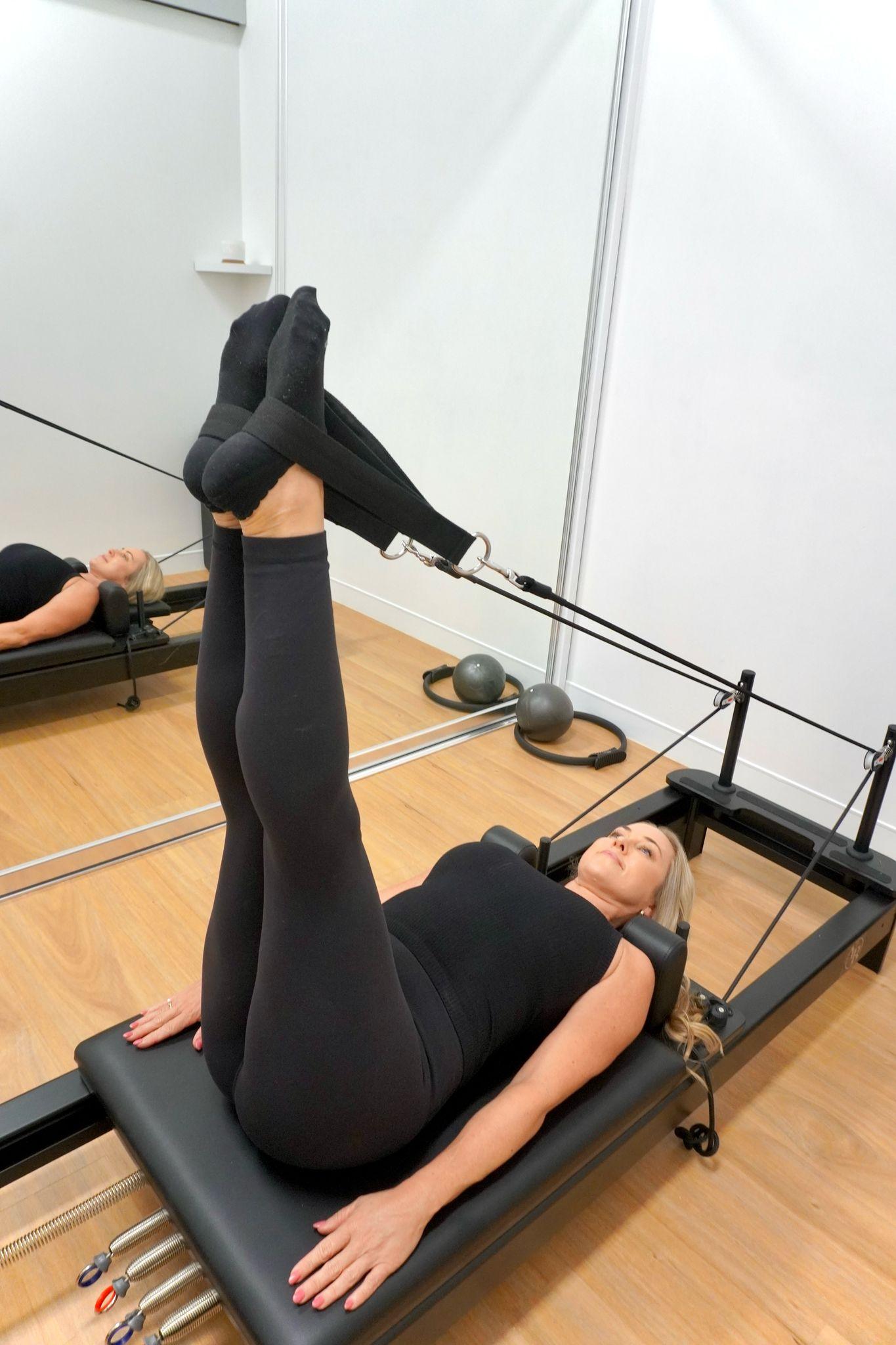
Booking your first reformer Pilates session can feel a bit daunting. The machine looks complicated, you’re not sure what to wear, and you might be worried you’re not flexible or fit enough. The good news: none of that matters. Here’s exactly what to expect at your first session at Functional Fitness Gym in Newstead, so you can walk in relaxed.
It’s just you and Tina
Most Pilates studios run classes, where you’re one of eight to twelve people following an instructor at the front of the room. Our sessions are different. Every reformer Pilates session at Functional Fitness is private, one-on-one with Tina, in our own private reformer room.
That means you won’t be the only beginner in the room, because you’ll be the only person in the room. Nobody’s watching, nobody’s comparing, and the whole session goes at your pace.
What to wear
Wear what you’d wear to a gym or a yoga class. The main thing is that it fits close to your body.
- Fitted leggings, bike shorts or fitted track pants. Loose shorts can ride up when your legs are in the straps, and baggy pants can catch on the springs.
- A fitted top. A loose T-shirt tends to fall over your face when you’re lying back or doing anything with your hips raised.
- Skip the zips, buckles and big jewellery. They can scratch the reformer’s padding and get in the way.
- Hair tied back if it’s long, so you’re not lying on a ponytail.
You don’t need anything special or expensive. If you own activewear, you’re sorted.
Do I need grip socks?
Reformer Pilates is done without shoes. We recommend grip socks (socks with little rubber dots on the soles). They stop your feet slipping on the footbar and the platform, and they’re more hygienic than bare feet. You can pick a pair up at most sports stores or online. If you don’t have any yet, let Tina know when you book.
What to bring
- A water bottle
- A small towel
- Your grip socks
That’s it.
How long is a session?
Each session is 30 minutes. That might sound short, but because it’s one-on-one, there’s no waiting around, no time lost while an instructor helps someone else, and every exercise is set up for your body. Thirty minutes of focused, private work goes a long way.
Try to arrive five minutes early for your first session so you’re not rushing in.
What actually happens in your first session
A quick chat first. Tina will ask what you’re hoping to get out of Pilates (better posture, a stronger core, easing back pain, rehab after an injury, or just trying something new) and whether you have any injuries, pain or medical conditions she should know about. Be honest here. It shapes everything she does with you.
Getting to know the machine. The reformer is a sliding platform (the carriage) on rails, with springs underneath that add or take away resistance, plus a footbar and a pair of straps. Tina will show you how to get on and off safely, how the springs work, and where your feet and hands go. It looks complicated from the outside, but it makes sense within a few minutes.
Starting with the basics. Your first session focuses on simple foundation moves, usually done lying down: footwork on the bar, gentle leg work in the straps, and learning how to breathe and switch on your deep core muscles. Tina adjusts the springs as you go so it’s challenging but never out of control.
Finishing with a plan. At the end, Tina will talk you through how it went and what she’d suggest next.
If you’d like a deeper look at the moves and how beginners progress, read our guide to reformer Pilates for beginners.
“But I’m not flexible”
This is the most common worry we hear, and it’s the wrong way round. You don’t need to be flexible to start Pilates. Becoming more flexible and mobile is one of the things Pilates gives you.
The springs on the reformer can be set to support you as much as to challenge you, so every exercise can be made easier or harder. Tina adjusts everything to where your body is today, not where someone else’s is.
The same goes for fitness. You don’t need to “get fit first”. Plenty of people start Pilates after years of no exercise, after an injury, or alongside other training.
Will I be sore afterwards?
Possibly a little, especially around your core, glutes and inner thighs. That’s normal and usually settles in a day or two. Reformer work is low-impact, so it’s gentle on your joints even when your muscles are working hard.
Reformer or mat: which should I start with?
Both are real Pilates, but they feel quite different. The reformer’s springs can support you through movements you’d find hard on a mat, which is why many beginners find it easier to get started on. We’ve written a full comparison: reformer vs mat Pilates.
How much does it cost?
Private reformer Pilates with Tina is $80 per 30-minute session. You’re paying for an instructor’s full attention, a session built around your body, and a private room, rather than a spot in a group class.
Ready to book?
If you’ve been curious about reformer Pilates but nervous about walking into a busy class, a private session is the easiest way to start. We’re at 1/26 Commercial Road, Newstead, a few minutes from Fortitude Valley, Teneriffe, New Farm and Bowen Hills.
Book your first private reformer session and Tina will take it from there.
